TW5 rubbish removal guide for Heston High Street homes
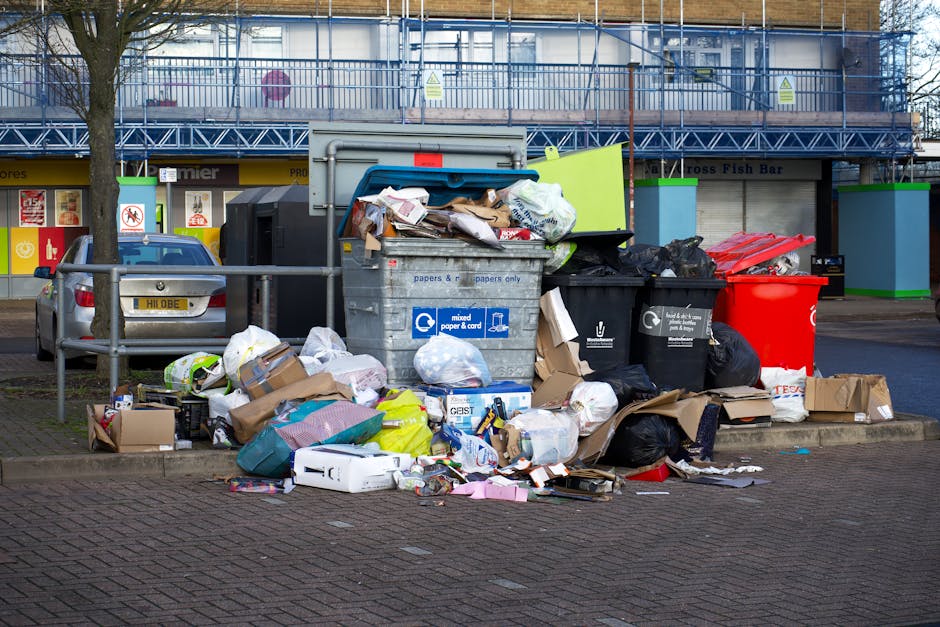
If you live on or near Heston High Street, rubbish has a way of building up faster than you expect. One broken wardrobe becomes two bags of mixed waste, then suddenly there's a hallway that feels half storage unit, half obstacle course. This TW5 rubbish removal guide for Heston High Street homes is here to make the whole job feel more manageable.
Whether you're clearing a flat above a shop, sorting a family house, or dealing with garden waste after a weekend of "I'll do it later," the right approach saves time, stress, and unnecessary trips. It also helps you stay on the sensible side of disposal rules, which, let's face it, is where a lot of people get caught out. Below you'll find practical steps, local considerations, comparisons, and a realistic checklist you can actually use.
- Why rubbish removal matters on Heston High Street
- How the process works
- Key benefits and practical advantages
- Who this guide is for
- Step-by-step guidance
- Expert tips for better results
- Common mistakes to avoid
- Tools, resources and recommendations
- Law, compliance and best practice
- Options and comparison table
- Real-world example
- Practical checklist
- Conclusion
- Frequently asked questions
Why TW5 rubbish removal guide for Heston High Street homes Matters
Heston High Street homes often come with a few practical quirks. Access can be tighter than people expect. Parking may be awkward. Stairs can be narrow in older properties. And if you're in a flat above ground-floor premises, carrying bulky waste down a shared stairwell is nobody's idea of a good afternoon.
That is why a proper rubbish removal plan matters. It is not just about getting rid of clutter. It is about doing it safely, legally, and with less disruption to the people living around you. On a busy street, one badly timed clearance can block entrances, annoy neighbours, or leave waste sitting out in the open longer than it should. Not ideal.
For many households, the real issue is not the rubbish itself. It's the overlap of multiple waste types. A sofa, a broken fridge, paint tins from a decorating job, a couple of bagged items from a loft tidy-up, and a pile of cardboard from new furniture delivery. Those mixed loads need a bit of judgement. Different items may need different handling, and that's where a focused local guide is useful.
There is also a financial angle. People sometimes overpay because they do not sort items properly or do not compare disposal methods in advance. Others try to save money by delaying the job, which usually just makes the pile bigger. In our experience, the tidy-up always feels easier once you break it into categories. Always.
How TW5 rubbish removal guide for Heston High Street homes Works
At a basic level, rubbish removal is the process of collecting unwanted household waste and taking it to the appropriate place for reuse, recycling, or disposal. In practice, the best results come from a simple sequence: identify what you have, separate what needs special handling, choose the right collection method, and prepare the items for safe removal.
For Heston High Street homes, the workflow usually looks like this:
- Survey the waste: Walk through the property and note bulky items, bagged rubbish, recycling, and anything hazardous.
- Sort by type: Keep furniture, appliances, garden waste, builders' debris, and confidential papers separate if possible.
- Check access: Think about parking, staircases, lift access, and whether items can be moved easily from the property.
- Choose the disposal route: That may mean a man-and-van style collection, a full house clearance, or another waste solution depending on the load.
- Prepare for collection: Bag smaller waste securely, tape shut loose boxes, and clear a path to the exit.
- Ensure safe transfer: Responsible operators should handle loading, transport, sorting, and disposal in line with proper waste handling practices.
A lot of the stress comes from mixing up what is "rubbish" and what is actually a specialised waste stream. A mattress is not the same as general bagged waste. A fridge is not the same as old furniture. Garden clippings are not the same as plasterboard or bricks. Once you see the difference, the job gets much simpler.
If you're dealing with a more specific job, it can help to look at services that match the waste type, such as house clearance, flat clearance, or general waste removal. For bulky one-off items, furniture disposal and fridge and appliance removal are often the more sensible routes.
Key Benefits and Practical Advantages
The biggest benefit is obvious: you get your space back. But there's more to it than that.
- Less clutter, less stress: A tidy home feels easier to live in, clean, and organise.
- Safer walkways: This matters in narrow hallways, stairwells, and shared entrances.
- Better speed: A good removal plan can clear a lot in one visit rather than stretching the job over several weekends.
- Reduced manual handling: Heavy lifting is where people hurt backs, fingers, and tempers.
- More responsible disposal: Proper sorting supports recycling and reduces avoidable landfill use.
- Cleaner finish: You are not left with half-empty bags or a "we'll deal with that later" pile in the corner.
There's also a quiet but important benefit: peace of mind. When waste is removed properly, you are not wondering whether that old paint pot or broken electrical item was handled correctly. You can move on. That mental reset is worth a lot, especially if you are preparing for a move, renovation, or tenancy handover.
For households that want a greener approach, it can be worth reading about recycling and sustainability. It explains the sort of thinking that should sit behind any decent clearance job: reuse first where possible, recycle where practical, and dispose of the rest carefully.
Who This Is For and When It Makes Sense
This guide is for anyone in TW5 who wants to clear household waste without making a mess of the process. That includes homeowners, tenants, landlords, letting agents, and people helping an older relative sort out a home. It is especially useful if your property sits on a busy road and you need the job done without turning the front pavement into a hazard.
It makes sense when you have:
- bulky furniture that won't fit in a regular bin collection
- bagged household waste after decluttering
- loft, garage, or shed contents to clear
- leftovers from decorating or light renovation work
- appliances that need specialist removal
- a move-out deadline looming and too much stuff still in the property
It is also useful if you're not sure whether a skip is the right option. A lot of people assume a skip is always the answer. Sometimes it is. Sometimes it really isn't, especially if access is tight or you do not want waste sitting outside for days. For a better sense of what can be loaded into that route, have a look at what can go in a skip.
Truth be told, the "best" option usually depends on the mix of waste, not just the volume. A single sofa plus ten bagged items is a different problem from a full builders' load or a garden strip-out.
Step-by-Step Guidance
If you want a smooth clearance, keep it simple and methodical. A rushed rubbish run usually creates the exact sort of hassle you were trying to avoid.
1. Start with a room-by-room sweep
Go through the home slowly. Hallway first, then kitchen, bedrooms, loft spaces, garage, and garden. Look for hidden waste too - broken chairs behind the shed, old paint tins under the sink, cardboard jammed in a corner, that sort of thing. People often miss the awkward bits.
2. Separate waste into sensible groups
Keep general rubbish, furniture, appliances, garden waste, and builders' waste apart if possible. This helps with loading, pricing, and recycling. It also means you are less likely to discover a surprise item at the last minute that changes the plan.
3. Identify anything special
Certain items need extra care. Examples include fridges, freezers, electricals, mattresses, sofas, and any material that may be classed as hazardous. If you are unsure, pause and ask. Guessing is how avoidable mistakes happen.
4. Clear access before collection day
Move shoes, plant pots, bikes, and fragile items out of the way. Unlock gates. Reserve a parking space if you can. If you live in a flat, tell neighbours about the collection if access might briefly be shared. Small courtesy, big difference.
5. Decide whether you need a service built around the waste type
For a big household clearance, home clearance or house clearance may suit the job better than a one-off item pickup. If the problem is a crowded loft, loft clearance is the more specific option. For messy outside areas, garden clearance may be the cleaner fit.
6. Confirm security, payment, and timing
Before anyone arrives, it helps to understand the process clearly: what is included, how payment works, and what happens if the load is larger than expected. A transparent provider should explain this in plain English. If you want to compare before booking, pricing and quotes is the right place to start.
One small but useful habit: take a quick photo of the waste before and after. Not for drama. Just practical record-keeping. It can help if you are coordinating with a landlord, property manager, or family member who wants to know what was removed.
Expert Tips for Better Results
Here's where the job gets easier. These are the little details that separate a smooth clearance from a slightly chaotic one.
- Group items by lifting difficulty: Put heavy, awkward, and fragile items in separate zones so loading is faster and safer.
- Flatten what you can: Cardboard, lightweight packaging, and some broken flat-pack furniture take up less room when broken down.
- Don't overfill bags: Overstuffed sacks split at exactly the wrong moment, usually in the hall. Not fun.
- Keep hazardous items isolated: Old chemicals, solvents, and certain DIY products should never be mixed casually with general waste.
- Think about the finish: If you are having carpets cleaned or decorators in afterwards, clear first and clean second. That sequence matters.
- Use the right service for the right job: A mixed household clearance is not the same as a furniture-only run or appliance removal.
Also, do not underestimate how much time is lost by sorting while the crew is waiting. If the waste is still buried under other bits and pieces, the whole process slows down. A few minutes of prep at home can save a good chunk of time later.
And yes, label the odd items if needed. One handwritten "do not take" note on a box saves more confusion than you'd think.
Common Mistakes to Avoid
Most clearance problems come from the same handful of mistakes. Easy to make, easy to avoid once you know them.
- Leaving sorting until collection day: This is the fastest way to turn a straightforward job into a long one.
- Ignoring access issues: Narrow stairs, locked gates, or no parking can create delays that could have been prevented.
- Mixing hazardous items with ordinary rubbish: That can create safety and compliance issues.
- Forgetting about appliance rules: Fridges and freezers need proper handling, not just a quick lift-and-go.
- Assuming all waste is treated the same: It isn't. Different materials are handled differently for good reason.
- Choosing the wrong scale of service: A tiny collection for a big job means extra visits; a huge clearance for two bags is overkill.
There's another subtle one: people often keep "just in case" items far too long. An old chair with one loose leg, a broken lamp, two spare mop handles, a dead toaster. None of it feels urgent alone. Together, it becomes the pile that never leaves. If that sounds familiar, you're not alone.
Tools, Resources and Recommendations
You do not need a warehouse of kit to clear rubbish properly. A few simple tools go a long way.
- Heavy-duty bin bags: Useful for light mixed waste, soft furnishings, and smaller tidy-up jobs.
- Gloves: Basic protection for handling sharp edges, dusty items, or grimy garage contents.
- Tape and markers: Handy for labelling boxes or securing loose packaging.
- Trolley or sack truck: Helpful if you have multiple items to move across a driveway or yard.
- Phone camera: Great for documenting what needs removing and keeping everyone on the same page.
- Measuring tape: Useful if you are deciding whether bulky items can fit through doorways or down stairs safely.
For specific waste categories, the following pages may help you narrow the right approach:
- furniture clearance for bulk household pieces
- mattress and sofa disposal for larger soft furnishings
- garage clearance when storage spaces have got out of hand
- builders waste clearance for DIY and renovation leftovers
- hazardous waste disposal if the waste includes risky materials
- confidential shredding for paperwork you do not want lying around
If you prefer a structured service experience, you can also review book online and the company's insurance and safety information. That kind of detail matters more than people realise until the day they need it.
Law, Compliance, Standards, or Best Practice
Rubbish removal in the UK is not just a matter of convenience. Waste has to be handled responsibly, and householders still have a duty to make sure it goes to an appropriate place. You do not need to become a waste-law expert, but it helps to understand the basics.
In practical terms, best practice means using a carrier or service that can explain how waste is collected, transported, sorted, and disposed of. It should also be clear what happens to items that can be reused or recycled. If a provider cannot explain that calmly and plainly, that is a warning sign.
For homes on Heston High Street, safety and access are part of compliance too. Waste should not block entrances, sit in communal areas longer than necessary, or create trip hazards for neighbours and passers-by. On a busy street, this matters. A lot.
There are a few item-specific points worth remembering:
- Electricals and appliances: These often need separate handling because of their components and materials.
- Mattresses and sofas: Bulky soft furnishings can require dedicated handling and disposal routes.
- DIY and builders' waste: Heavy rubble, plasterboard, and mixed construction debris should not be treated like a standard household sack.
- Hazardous waste: Paints, solvents, chemicals, and similar materials need extra caution.
Best practice is not about being fussy. It is about reducing risk, protecting people, and making sure the waste stream is handled properly from start to finish. That is the whole point.
Options, Methods, or Comparison Table
There is no single answer for every home. The right method depends on access, waste type, and how quickly you need the space cleared.
| Method | Best for | Strengths | Limitations |
|---|---|---|---|
| Bagged household waste removal | Smaller declutters and routine clear-outs | Fast, simple, and often easy to plan around | Not ideal for very bulky or mixed heavy waste |
| Furniture-focused clearance | Old sofas, wardrobes, tables, chairs | Good for one-off bulky items and room refreshes | May not suit general mixed rubbish |
| House or home clearance | Whole-room, whole-property, or estate-style jobs | More comprehensive and efficient for larger projects | Can be more than you need for a few items |
| Skip-based clearance | DIY waste, mixed domestic waste, ongoing clear-outs | Useful when you want to load at your own pace | Needs space and can be awkward on busy streets |
| Specialist item removal | Fridges, mattresses, hazardous items, confidential papers | Safer and more appropriate for specific waste types | Not a catch-all solution for everything |
If your household clearance includes a mix of furniture, appliances, and general rubbish, a broader service is usually the simplest answer. If it is mainly one category, a more focused option often makes more sense. That small distinction can save effort and, quite often, money too.
Case Study or Real-World Example
A typical Heston High Street scenario goes like this. A family is preparing to redecorate a two-bedroom house above a busy commercial stretch. The hallway is crowded with an old armchair, dismantled shelving, two bags of mixed loft waste, an old microwave, and a couple of broken garden tools from the back yard.
At first glance, the job feels small. Then you look again and realise it is not really one job at all. It is several small jobs bundled together. The sensible move is to sort the items by type, identify the appliance, separate the garden waste, and clear a proper path down the stairs before collection day.
What made the difference here was not brute force. It was preparation. The family took twenty minutes to organise the items, set aside the old appliance, and make sure the front access was clear. The result was a smooth pickup and a much less stressful day. No scrambling, no "wait, where did that box come from?", no awkward blocking of the doorway while trying to manoeuvre furniture around. Nice and boring. Which, in rubbish removal, is usually exactly what you want.
For this kind of mixed domestic load, a service aligned to home clearance or waste removal would typically be more practical than trying to solve each item one by one. If the job is mostly old furniture, furniture disposal may be the cleaner fit.
Practical Checklist
Use this checklist before collection day.
- Walk through every room and note all waste.
- Separate furniture, general rubbish, appliances, and special items.
- Move fragile items out of the collection route.
- Check for hazardous materials and keep them isolated.
- Clear stairways, hallways, and entry points.
- Arrange parking or access if possible.
- Confirm what is being removed and what is staying.
- Break down flat-pack items where practical.
- Bag loose waste securely and avoid overfilling.
- Keep phones charged in case timing needs adjusting.
Quick summary: If you sort the waste first, clear the access second, and choose the right service third, the rest usually falls into place. That really is the pattern.
Get a free quote today and see how much you can save.
Conclusion
Rubbish removal for Heston High Street homes does not need to feel complicated. Once you break the job into types, spaces, and access issues, the whole thing becomes far more manageable. That is the value of a proper TW5 rubbish removal guide: not just to tell you what waste exists, but to help you deal with it in a calm, sensible way.
Whether you are clearing one room or an entire property, the same principles apply. Sort first, lift safely, use the right disposal route, and keep an eye on compliance and convenience. A little preparation goes a long way. And when the last bag leaves the house and you can actually see the floor again, it feels oddly brilliant.
If you want to learn more about the team behind the service, you can read about us, or visit the contact page when you are ready to talk through the job. Sometimes the simplest next step is just having a proper conversation about what needs doing.
Frequently Asked Questions
What is the best rubbish removal option for a home on Heston High Street?
It depends on the type and amount of waste. For mixed household waste, a general clearance is usually best. For one-off bulky items, furniture or appliance removal may be more suitable. The key is matching the service to the waste, not just the volume.
Can I remove rubbish myself from a TW5 property?
Yes, for small and manageable loads you can often handle disposal yourself. But if the waste is bulky, heavy, awkward, or potentially hazardous, professional removal is usually safer and much less stressful.
How do I know if my waste needs special handling?
Anything electrical, chemical, sharp, or potentially harmful should be treated carefully. Fridges, freezers, paint tins, solvents, and similar items may need specialist handling. If you are unsure, it is better to check than assume.
Is a skip always better than rubbish removal?
No. A skip can be useful for ongoing DIY jobs or large volumes, but it needs space and may not suit a busy street or limited access. For many homes, a direct collection is simpler. If you want to compare the approach, what can go in a skip is a helpful place to start.
What should I do with old furniture?
Old sofas, wardrobes, tables, and chairs are usually best handled through a dedicated furniture service or a broader household clearance. This avoids awkward lifting and helps make sure the items are dealt with properly.
Can you clear a flat above shops on Heston High Street?
Yes, but access planning becomes more important. Narrow stairs, shared entrances, and parking limitations should all be considered before collection day. A flat clearance service is often the most practical option.
What happens to the rubbish after it is collected?
Responsible operators typically sort waste so that reusable and recyclable materials are separated where possible, with the remaining waste disposed of appropriately. The exact route depends on the type of items collected.
How far in advance should I book a rubbish removal service?
As soon as you know the job needs doing. Some clearances are straightforward to schedule, but others need a little more planning, especially if access is limited or the waste includes multiple item types.
What if I have a mix of household waste and garden waste?
That is common, especially after a declutter or tidy-up. The best approach is to separate the waste as much as possible and explain the mix clearly when arranging collection. A combined clearance may be the neatest solution.
Are there any items you should never leave mixed in with general rubbish?
Yes. Hazardous materials, certain chemicals, and some electrical or refrigeration items should be kept separate. It is also wise to isolate confidential documents if they need shredding. Little things, but important ones.
Does a house clearance include lofts, garages, and sheds?
It can, depending on what you need removed. Some jobs focus on one area only, while others include multiple spaces. If the property has several cluttered storage areas, a broader home or house clearance is often the better fit.
How do I prepare if I live on a busy road with limited parking?
Clear the access route as much as possible, reserve space if you can, and let the provider know about any restrictions in advance. That one bit of planning can prevent most collection-day headaches.
Where can I find more information about responsible waste handling?
You can review the site's recycling and sustainability guidance, along with pages on insurance and safety and health and safety policy for a clearer sense of how proper clearance work should be managed.