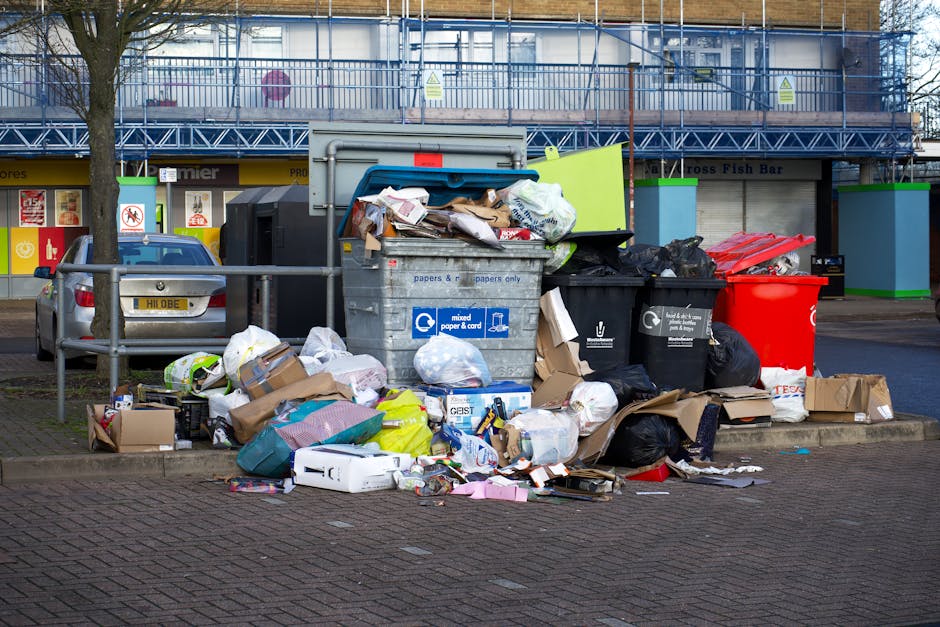
What Hounslow Council says about rubbish disposal in Heston
If you live or work in Heston, rubbish disposal can feel straightforward until it suddenly isn't. One week it's a broken chair, the next it's a builders' bag, a fridge, or a pile of garden cuttings that won't fit in the wheelie bin. This guide explains what Hounslow Council says about rubbish disposal in Heston, what that means in practical terms, and how to stay on the right side of local expectations without making the whole thing more stressful than it needs to be.
The focus here is simple: help you understand the council's approach, avoid common mistakes, and choose the most sensible disposal route for household, bulky, garden, or business waste. Let's face it, nobody wants a missed collection, a fly-tipping problem on their conscience, or a last-minute scramble on a wet Saturday morning.
Table of Contents
- Why What Hounslow Council says about rubbish disposal in Heston Matters
- How What Hounslow Council says about rubbish disposal in Heston Works
- Key Benefits and Practical Advantages
- Who This Is For and When It Makes Sense
- Step-by-Step Guidance
- Expert Tips for Better Results
- Common Mistakes to Avoid
- Tools, Resources and Recommendations
- Law, Compliance, Standards, or Best Practice
- Options, Methods, or Comparison Table
- Case Study or Real-World Example
- Practical Checklist
- Conclusion
- Frequently Asked Questions
Why What Hounslow Council says about rubbish disposal in Heston Matters
Local rubbish rules matter because waste is one of those everyday things where small misunderstandings quickly turn into big annoyances. If you put the wrong item out, miss a collection day, overfill a bin, or leave rubbish in the wrong place, the result can be anything from a rejected collection to a mess that attracts complaints. In a busy area like Heston, where homes, flats, small businesses, and busy roads all sit close together, that matters even more.
The council's guidance is also important because it sets the tone for what counts as responsible disposal. That includes how you separate waste, how you present it for collection, what you should never dump, and when you need to look beyond the standard bin service. If you are planning a clear-out, a move, or a renovation, understanding the local rules early can save time and, truth be told, a fair bit of money too.
There is also a community side to it. Overflowing bins and random piles of waste don't just look untidy; they can create smells, attract pests, and make shared spaces harder to use. In a place where streets can feel narrow and parking is already a bit of a battle, keeping rubbish under control is not just tidy housekeeping. It is common sense.
Practical takeaway: The council's rubbish guidance is not just about compliance. It is about keeping collections reliable, avoiding nuisance, and choosing the right disposal route before waste becomes a problem.
One more thing. People often assume rubbish disposal is "just put it out and hope for the best." Usually, that is where the trouble starts.
How What Hounslow Council says about rubbish disposal in Heston Works
At a practical level, the council's approach usually revolves around three ideas: sort waste properly, present it correctly, and use the right service for the right type of waste. That sounds basic, but it is exactly where many households and landlords trip up.
Household rubbish normally goes through the regular bin system, with different streams for general waste and recycling. If you have more material than your bins can safely take, or you need to dispose of bulky items, you generally need a separate solution. That might mean arranging a council collection if available, taking items to the appropriate facility, or using a professional rubbish removal service where lawful and suitable.
For Heston residents, the main thing to watch is that not all waste is treated the same. Cardboard, metal, food waste, furniture, and electrical items all behave differently from a collection point of view. A sofa is not a bin-bag, and a bag of soil is definitely not the same as dry recycling. Obvious? Yes. Easy to forget during a hectic clear-out? Also yes.
If you are dealing with business-related waste, the expectations are usually stricter. Commercial rubbish should be managed separately from household waste, and businesses must be able to show that their waste goes to the right place. That is where a service such as business waste removal can be useful for local shops, offices, landlords, and tradespeople working in or around Heston.
What usually falls into standard disposal
- Black-bag household waste that cannot be recycled
- Mixed dry recycling, where accepted by the local system
- Garden waste, where separated and presented correctly
- Small quantities of everyday waste from normal household activity
What usually needs a separate route
- Bulky household items like wardrobes, mattresses, sofas, and white goods
- Builders' waste after repairs or refurbishments
- Hazardous or potentially dangerous items
- Large clear-outs from garages, lofts, offices, or flats
If you are unsure, the safest rule is simple: treat bulky, electrical, hazardous, and trade-related waste as separate from normal weekly rubbish.
Key Benefits and Practical Advantages
Following Hounslow Council's waste expectations properly does more than keep you out of trouble. It makes day-to-day life easier in a few very real ways.
- Fewer missed collections: Correctly presented waste is less likely to be left behind.
- Less clutter at home: When waste leaves in the right stream, spaces stay usable for longer.
- Better recycling outcomes: Good sorting improves the chances that recyclable material actually gets recovered.
- Lower nuisance risk: Proper disposal helps reduce smells, vermin, and windblown litter.
- Cleaner shared spaces: This matters a lot in flats, terraced streets, and mixed-use areas.
- Better planning for bigger jobs: Once you know what can and cannot go with normal waste, clear-outs become simpler.
There is also a less obvious benefit: knowing the rules helps you choose the cheapest sensible option. Sometimes a small amount of waste can go in regular collections; sometimes it is more practical to book a separate clearance. If you guess wrong, you may end up paying twice. Nobody wants that.
For larger items, some people prefer a dedicated clearance rather than trying to break furniture apart or wait for multiple collection dates. A service like waste removal can be a better fit when you need a quicker, cleaner, or more flexible solution than normal bin collections allow.
Who This Is For and When It Makes Sense
This guidance is useful for far more people than you might think. If you live in Heston, rent a flat, manage a property, run a local business, or simply have too much stuff after a renovation, it applies to you.
Typical readers who benefit from this
- Homeowners clearing old furniture, loft clutter, or garden debris
- Tenants trying to avoid leaving waste behind at the end of a tenancy
- Landlords and agents dealing with eviction clearances or void periods
- Tradespeople producing light renovation or builders' waste
- Office managers disposing of desks, chairs, paperwork, or mixed commercial rubbish
- Families in flats or shared housing who need a tidy, cooperative waste routine
It also makes sense when you are doing something ordinary that suddenly becomes messy. Spring clean? Yes. Garage sort-out? Absolutely. New sofa delivery and the old one has to go? Very common. A kitchen refresh where packaging, broken fittings, and bits of wood seem to multiply overnight? That too.
In our experience, the biggest mistake is waiting until waste is already blocking a hallway, garden path, or parking space. At that point, every option feels more urgent and more expensive. Better to plan a day or two ahead if you can.
If your job involves furniture, you may also find useful context in furniture disposal or furniture clearance, especially when several bulky items need to go at once.
Step-by-Step Guidance
If you want a clean, low-stress result, use a simple process. It does not need to be complicated. In fact, complicated is usually how people end up with half the job still sitting in the driveway at dusk.
- Identify the waste type. Start by separating everyday rubbish, recycling, food waste, garden waste, bulky items, and anything hazardous.
- Check what should not go in normal bins. Electrical items, liquids, chemicals, sharp objects, and heavy construction waste usually need special handling.
- Measure the volume. A single bin bag is different from a roomful of clearance waste. Estimating early helps you avoid overfilling or underbooking.
- Decide whether council collection is enough. For small volumes, regular service may be fine. For larger loads, a separate collection is often easier.
- Prepare items safely. Keep bags tied, flatten cardboard, empty containers where needed, and make sure nothing is left loose to blow about.
- Place waste correctly for collection. Follow the collection instructions that apply locally. If it is meant to be out at a certain time or location, do that rather than improvising.
- Choose a specialist route if necessary. For bulky, awkward, or mixed loads, a professional disposal service can save a lot of lifting and repeated trips.
A small but important clarification: if you are disposing of mixed waste, do not assume everything can be bundled together just because it fits. A bag that contains the wrong materials can create issues later, even if it looks neat on the day.
For bigger domestic jobs, house clearance or home clearance may be more appropriate than trying to manage everything through the regular weekly routine. That is especially true if the property has been empty for a while or there is a lot of furniture mixed with general rubbish.
Expert Tips for Better Results
Here is where the practical know-how really helps. A few small habits can make rubbish disposal in Heston much smoother.
- Sort first, move second. It is faster to separate waste by type before you carry it outside.
- Break down bulky items safely. Flat-pack boxes, disassembled shelving, and collapsed packaging take up less room. Just be careful with screws, glass, and sharp edges.
- Keep recyclables clean and dry. Wet cardboard and food-contaminated packaging are much less useful for recycling.
- Think about access. If waste has to be carried through a narrow hallway or down several flights of stairs, plan the route before collection day.
- Bundle similar waste together. This is especially helpful for garden cuttings, cardboard, or light household clutter.
- Separate anything questionable. If an item might be hazardous, do not guess. Put it aside until you know the proper route.
One small real-world observation: the difference between a tidy collection and a stressful one is often five minutes of preparation and a roll of strong bags. Not glamorous, but very effective.
If you are clearing a kitchen, garage, or utility room, it can help to think about disposal categories in advance. For example, old appliances may need a dedicated route, while broken chairs and tables may fit a furniture clearance plan. Services like fridge and appliance removal and garage clearance can be especially useful where items are bulky, awkward, or greasy enough that no one wants to wrestle with them twice.
Common Mistakes to Avoid
Most rubbish problems in Heston come from a handful of predictable mistakes. The good news is that they are easy to avoid once you know what to look for.
- Mixing waste streams. Throwing everything into one pile makes proper disposal harder and can lead to rejected collections.
- Overfilling bins or bags. If the lid will not close or the bag looks ready to burst, you are asking for trouble.
- Leaving waste on the street too early. That can create nuisance, especially if collections are delayed or weather turns windy.
- Ignoring bulky waste rules. Sofas, mattresses, and white goods nearly always need a different approach.
- Assuming builders' waste is normal household waste. It usually is not.
- Forgetting about sharps or hazardous materials. These need extra care and should never be tossed in casually.
- Choosing the wrong service for the job. A tiny tidy-up and a full property clearance are not the same thing.
There is also a timing mistake people make around bank holidays or busy periods. Waste can build up quickly, and if you leave everything until the last minute, collection slots and lifting help become harder to arrange. Ask me how I know. Well, no need really.
If your clear-out includes one-off bulky items, this is where mattress and sofa disposal can be a better fit than trying to force large items into a standard waste routine.
Tools, Resources and Recommendations
You do not need a huge toolkit to dispose of rubbish properly, but a few simple items help enormously.
- Heavy-duty bin bags for mixed general waste
- Reusable boxes or tubs for sorting items before disposal
- Work gloves for handling sharp edges and rough materials
- Labels or marker pen to keep waste categories separate
- A tape measure for bulky items, especially if access is tight
- A phone camera to photograph items when getting a quote or checking what needs removing
For more complex jobs, it helps to use a service that can handle multiple waste types responsibly. For example, if you are dealing with renovation debris, builders' waste clearance is more appropriate than standard collection. If it is a business property, a focused office clearance can remove desks, filing, and mixed office clutter in one go, which is a lot less faff than trying to manage each item separately.
For residents who want to reduce waste at the source, the site's recycling and sustainability information can help frame better disposal choices. And if you are trying to work out what can be loaded together on a skip-style job, what can go in a skip is a useful reference point before you order the wrong thing and regret it later.
Law, Compliance, Standards, or Best Practice
Waste disposal is not just a cleanliness issue; it is also a responsibility issue. In the UK, householders, landlords, and businesses are expected to dispose of waste properly, and that includes using legitimate routes and making sure waste does not end up dumped on land, in alleys, or beside overflowing bins.
Best practice is straightforward, even if the details vary depending on waste type:
- Use the correct stream for general waste, recycling, garden waste, and bulky waste.
- Keep waste contained so it does not spill, leak, or blow away.
- Do not hand waste to unverified operators. If someone offers to "take it away cheap," ask yourself where it is actually going.
- Keep records for business waste. Commercial waste should be traceable and handled properly.
- Handle hazardous waste carefully. Items such as chemicals, sharp objects, or certain electricals need more caution than a normal bin bag.
For businesses, duty-of-care expectations are especially important. In plain English, that means you should be able to show you took reasonable steps to ensure your waste went to an appropriate, lawful destination. It is not the kind of thing you want to discover after the fact.
Where health and safety are involved, use common sense and do not rush. Broken glass, heavy furniture, damp waste, and contaminated material can all cause injuries if handled badly. If in doubt, choose safer lifting, better packaging, or a specialist removal option rather than trying to be heroic for no reason.
You can also review the site's health and safety policy and insurance and safety information if you want a clearer picture of how careful waste handling should look in practice.
Options, Methods, or Comparison Table
The right disposal method depends on volume, item type, and how quickly you need the waste gone. Here is a simple comparison to help you decide.
| Method | Best for | Pros | Limitations |
|---|---|---|---|
| Standard council collection | Everyday household rubbish and accepted recycling | Convenient, routine, usually familiar | Limited capacity, not suitable for many bulky items |
| Separate bulky collection | Sofas, mattresses, furniture, appliances | Designed for larger items, less manual hassle | May need booking and correct presentation |
| Professional rubbish removal | Mixed loads, same-day clearances, awkward access | Fast, flexible, useful for larger jobs | Cost depends on volume and waste type |
| Skip-style disposal | Renovation waste, ongoing projects, bigger clean-ups | Good for sustained jobs and large volumes | Needs space and the right waste mix |
| Specialist disposal route | Hazardous, electrical, or sensitive materials | Safer and more appropriate for tricky waste | Requires correct sorting and may be less convenient |
If you have a small amount of waste, the standard route may be enough. If you have a roomful of clutter, damaged furniture, or trade rubbish, a more flexible method can be far less stressful. To be fair, trying to force the wrong method usually costs more in time than it saves in cash.
For people comparing options in Heston, services such as furniture clearance and home clearance often make sense when the job includes a mixture of items rather than one single object.
Case Study or Real-World Example
A practical example helps make this less abstract. Imagine a family in Heston who has just finished replacing an old sofa, clearing a bedroom cupboard, and tidying the back garden after a long wet spell. The bin is already full. There are cardboard boxes from new furniture, a broken side table, a bag of garden waste, and an old microwave that no longer works.
If they treat everything as one pile, the result is predictable: some waste can go in the regular bin, some should be separated for recycling, and the microwave needs different handling from the cardboard. The sofa is the biggest issue because it will not fit neatly into routine household disposal. That is where a dedicated bulky-item route or a local clearance service starts to make more sense.
In a case like this, the family can save themselves a lot of frustration by sorting the waste into categories first. Cardboard gets flattened. The garden waste stays separate. The microwave is identified as an electrical item. The sofa and side table are grouped for special removal. Suddenly the job looks manageable instead of like a small disaster in the hallway.
That is the real value of understanding what the council expects. It turns a vague "get rid of the mess" job into a clear plan. Not glamorous, but very effective on a Tuesday evening when the light is fading and the kettle is on.
For similar local jobs, you may also want to look at garden clearance if outdoor waste is building up, or loft clearance if the problem has been hiding above your head for years. That last one tends to be more interesting than people expect.
Practical Checklist
Use this checklist before you put anything out or book a collection.
- Have I identified the waste type correctly?
- Have I separated recycling from general rubbish?
- Are there any bulky items that need a separate route?
- Could any item be hazardous, sharp, wet, or contaminated?
- Do I know the collection time and place?
- Have I made sure bags are closed and items are safe to lift?
- Is there enough access for removal without blocking neighbours?
- Would a specialist clearance be quicker or more cost-effective?
- Have I avoided mixing waste that should stay apart?
- Do I know where the rubbish is going, not just where it is leaving from?
If you can tick most of those boxes, you are already ahead of the game. If not, that is fine too. Better to pause for ten minutes now than deal with a problem that lasts all week.
Conclusion
What Hounslow Council says about rubbish disposal in Heston is really about three things: sorting waste properly, using the right collection method, and keeping the local area clean and manageable for everyone. Once you understand those basics, most disposal decisions become easier. Small household waste can stay in the normal system. Bulky, awkward, or specialist waste usually needs a different plan.
The best approach is practical, not perfect. Sort early, choose the right route, and do not leave tricky items until they become urgent. That one habit alone saves a lot of hassle. It also keeps your home, your street, and your weekend a bit calmer, which is no small thing.
Get a free quote today and see how much you can save.
If you are planning a clear-out in Heston, start with the waste you can see, then deal with the awkward bits one by one. That is usually how the job gets done properly, and a lot more peacefully.
Frequently Asked Questions
What does Hounslow Council expect for everyday rubbish in Heston?
For normal household rubbish, the council expects waste to be put in the correct bin or container and presented in line with local collection guidance. Keeping general waste separate from recycling helps collections run more smoothly.
Can I put bulky items out with my regular bin waste?
Usually not. Bulky items such as sofas, mattresses, wardrobes, and large appliances generally need a separate disposal route rather than standard weekly collection.
What should I do with old furniture in Heston?
Old furniture is often best handled through a bulky collection or a dedicated furniture clearance service. That is especially true if there are several items or access is awkward.
How do I dispose of builders' waste after a home project?
Builders' waste should be treated separately from normal household rubbish. Depending on the amount, a specialist builders' clearance or skip-style solution may be more appropriate than regular bins.
Is garden waste treated the same as general rubbish?
No, garden waste is usually handled differently from general rubbish. Keep it separate where possible, especially if it includes soil, branches, or mixed organic material.
What happens if I put the wrong thing in the bin?
The collection may be refused, or the waste may create sorting problems later. In some cases, putting the wrong material into the wrong stream can also create safety issues.
Can I leave rubbish outside my property the night before collection?
That depends on the local instructions for collection day. In general, it is best not to leave waste out early unless the guidance clearly allows it, because it can create nuisance or get disturbed.
Do businesses in Heston need a different waste setup?
Yes, businesses usually need separate commercial waste arrangements. They should use a lawful service and keep appropriate records for waste handling.
What is the safest way to get rid of old appliances?
Old appliances are usually safest through a dedicated appliance removal route. That helps with lifting, transport, and proper handling of items that may contain electrical components or refrigerants.
How do I know whether I need a full clearance or just rubbish removal?
If you only have a small amount of mixed waste, a simple rubbish removal may be enough. If you are clearing a whole room, a loft, a garage, or a property after tenants move out, a fuller clearance is often more sensible.
Are hazardous items allowed in normal household waste?
Generally, no. Hazardous or potentially dangerous items should be handled separately and never mixed casually into household bins.
What is the most practical first step before booking disposal in Heston?
Sort the waste into categories first. Once you know what is general waste, what can be recycled, and what needs specialist handling, the right disposal option becomes much easier to choose.